Tel: +86-18874804206 E-mail: sales@innovequipment.com


- All
- Product Name
- Product Keyword
- Product Model
- Product Summary
- Product Description
- Multi Field Search

- Home
- Products
- ABOUT US
- News
- Application
- FAQ
- Contact Us
Views: 178 Author: Site Editor Publish Time: 2026-03-20 Origin: Site
In the pharmaceutical industry, the capsule filling machine stands as a cornerstone for solid dosage form production. Capsules offer exceptional flexibility, accommodating powders, pellets, mini-tablets, and micro-doses. However, when focusing on containment and precision, the role of the encapsulation machine becomes critical, especially when handling potent compounds.
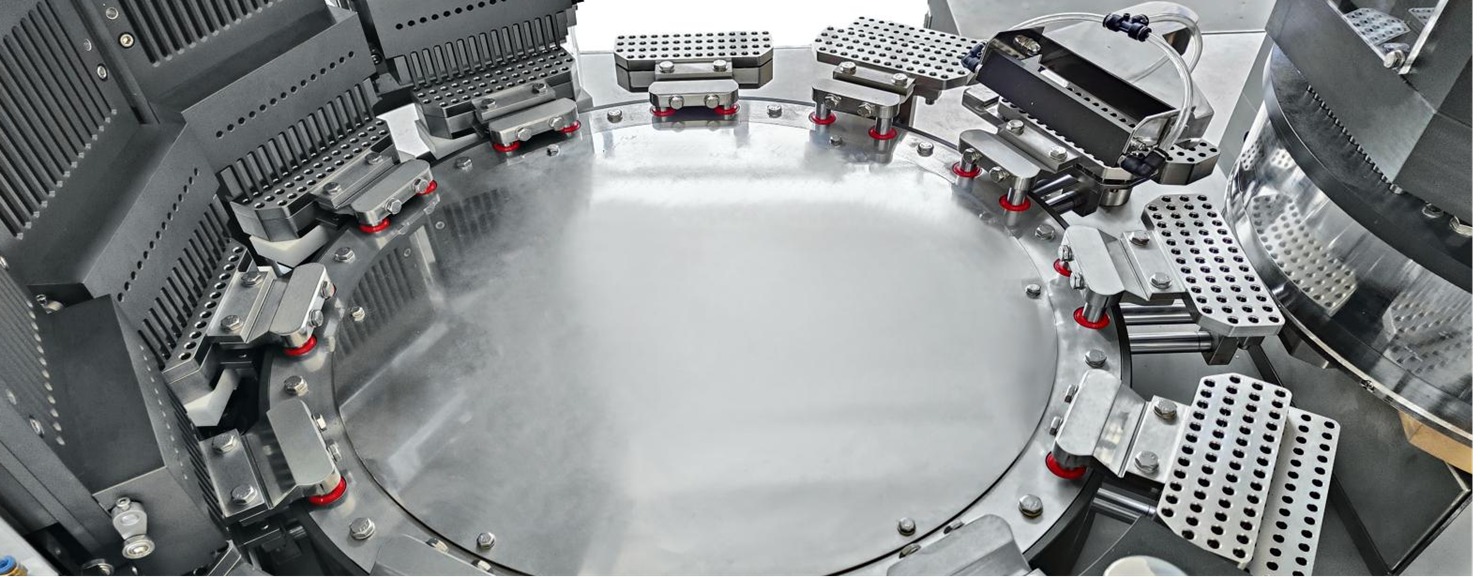
A standard capsule filling machine operates through a series of precise, automated stations:
Loading and Separation: Empty capsules are fed from a hopper, aligned, and separated into bodies and caps.
Dosing and Filling: Successfully separated capsules move to the filling station. Here, the machine accurately doses the product (API, excipients) from the storage container into the capsule body.
Sealing and Ejection: The cap is pressed back onto the body. The finished capsules are then ejected for weight checking.
Peripheral Processing: "Qualified" capsules pass through dust removers, metal detectors, and checkweighers before packaging.
Versatility: Suitable for various batch sizes, from R&D lab scale to high-speed commercial manufacturing.
Containment: For handling high-potency APIs, modern capsule filling machines offer integrated containment solutions.
Integrated Quality Control: Modern machines favor integrated 100% weight control systems. Unlike standalone online checkweighers, integrated systems keep all components within the same contained environment, reducing the risk of cross-contamination. Manufacturers like Innov Equipment specialize in delivering such一体化 systems, ensuring seamless operation and compliance with stringent safety standards.
From a safety and compliance perspective, the key areas mirror those of tablet compression:
Feeding of potent materials.
The filling zone itself.
In-process interventions and sampling.
Waste collection and cleaning.
During production, air washing can create momentary dust clouds, requiring robust HVAC and containment protocols. Connected systems like dust collectors must also meet stringent standards.
The containment control requirements for capsule filling machines are identical to those for tablet presses. When selecting a machine, consider:
Material Potency: Does the machine offer fully contained dosing?
Batch Size: Is the machine scalable from clinical trials to production?
Cleaning Validation: Does the design allow for sectional cleaning with compressed air and local exhaust to prevent residue buildup?
When evaluating equipment, consider the manufacturer's expertise in containment. Innov Equipment, for instance, offers a range of capsule filling machines designed with advanced barrier systems and integrated weight control, ensuring compliance with the latest safety regulations while maintaining high throughput. Their solutions are tailored to both R&D and commercial scales, providing flexibility without compromising operator protection.
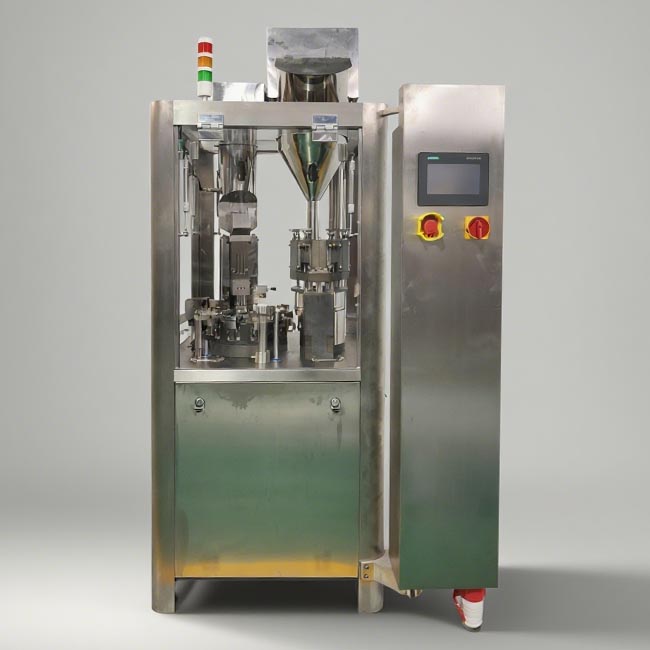

Q: What is the difference between a capsule filling machine and an encapsulation machine?
A: The terms are often used interchangeably. Both refer to equipment that loads product into capsule shells and seals them.
Q: How do you clean a capsule filler?
A: Cleaning typically involves sectional cleaning, using compressed air to flush residues combined with vacuum exhaust to prevent dust accumulation.
Q: What is a high containment capsule filler?
A: It is a machine designed specifically to handle potent or toxic compounds. It ensures that the operator is not exposed to the product during filling, sampling, or cleaning by maintaining a pressure differential and physical barriers.
By integrating advanced engineering and smart design, modern encapsulation machines ensure that every capsule meets the highest standards of dosage accuracy and safety. Partnering with a trusted provider like Innov Equipment guarantees access to cutting-edge technology that meets evolving regulatory demands.


